
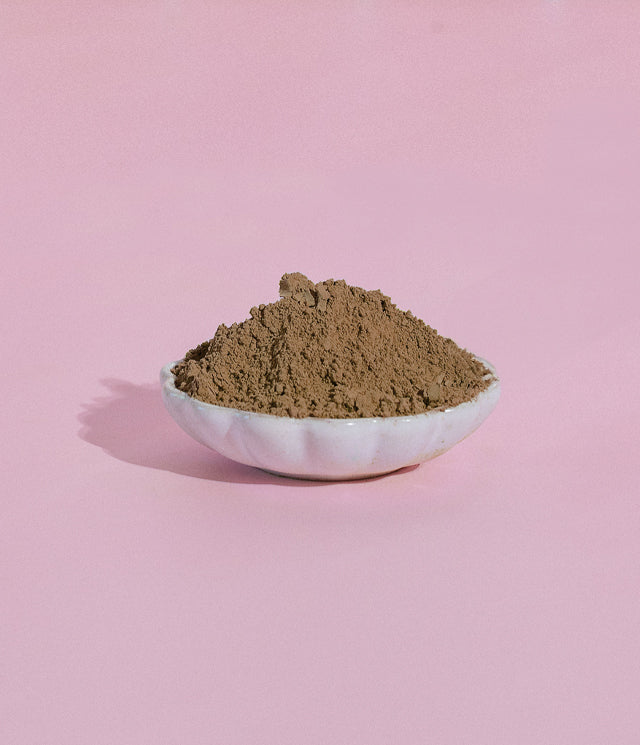

Hojicha Powder is our charming, less-caffeinated cousin that brings a cozy twist to your cup. Imagine creamy chocolate ice cream vibes with a delightful hint of toasted hazelnuts. It’s the perfect playful swap for chocolate milk—especially when sweetened with a touch of maple syrup. Love the flavor but still want a kick? Try adding a layer of espresso over the top of your hojicha latte for a delicious, high caffeine, treat.
Hojicha is made from sencha leaves (not tencha like matcha), and is grown in full sun conditions, producing more catechins than matcha.
Notes On Cultivars
Cliffnotes for Cultivars in The Collection:
Yabukita - The most common cultivar in Japan. In fact 98% of tea (all tea, not just matcha) in Japan is made from the yabukita cultivar. It's consistent with public perception of what Japanese green tea "should" taste like. Safe pick if you're gifting this to someone and it's easy to enjoy.
Samidori- Generally delicate and sweet. On its own it feels like a creamy sweet pea dessert, but probably cannot stand up to milk and sweetener. A good choice if you like usucha or koicha.
Saemidori- Most buttery in texture and nutty in flavor. While we recommend the teas from this farm are enjoyed without milk, we know some of our customers cannot resist! ;) If you are looking for a fancy shmancy matcha latte, this is a great choice.
Hoshun- If you like gyokuro green tea, you will love this matcha. Hoshun was actually created for the production of gyokuro. Soft supple leaves with a sweet morning dew and wet grass taste. Hoshun is a newer cultivar bred for the changing environment in Kyoto, and is created from crossings of samidori (so you will see similar characteristics)
Tenmyo- This cultivar was also purposely bred in Kyoto in 1975 from samidori crossings to be more resistant to environmental factors like heat and blight.
Gokou- The gokou bred in this area produces a rich, edamame profile that makes it a great choice for a variety of uses (usucha, lattes, or koicha)
Ujihikari- This is my (Brittnee, co - founder) favorite of the bunch. It's rich and decadent with no bitterness. This cultivar is appropriately named "light of uji" for a good reason.
Zairai 100 Year - With the matcha BOOM in the recent years farms have been pulling our Zairai to keep up with the western taste profiles BUT Zairai is so important to the continuation of tea. While it cannot be traced to a specific cultivar, Zairai are blend of many cultivars that are harmoniously grown together from seed (as opposed to whips which are easier, BUT destroy biodiversity of plants). This Zairai comes from plants that are at least 100 years old and have been at Dejimaen since the farm's inception.
CARE & MAINTENANCE
To maintain the beauty and integrity of your purchase, we recommend treating it with care. Simple maintenance practices, such as gentle washing and proper storage, can effectively preserve the longevity of your favorites. We encourage you to refer to the care instructions included with each item, designed to help you keep your purchase in top condition.
SHIPPING & RETURNS
We strive to process and ship all orders in a timely manner, working diligently to ensure that your items are on their way to you as soon as possible. Need to return something? Just let us know.